
Quick Answer
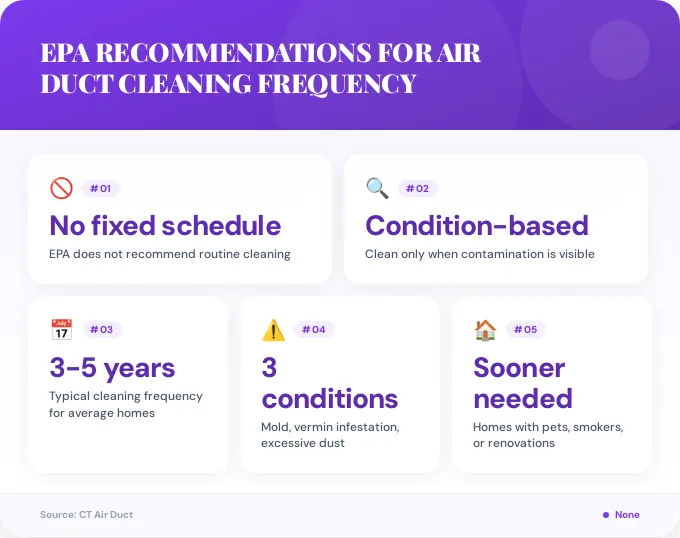
The EPA does not recommend a fixed cleaning schedule for every home because research hasn’t proven routine duct cleaning prevents health problems in the absence of contamination. Instead, the EPA advises cleaning ducts only when there is visible mold, vermin infestation, or excessive dust and debris being released into the home. Most households fall somewhere between every 3 to 5 years, though homes with pets, smokers, allergy sufferers, or recent renovations often need it sooner.
What Does the EPA Actually Say About Air Duct Cleaning Frequency?
Here’s a surprising fact: the U.S. Environmental Protection Agency has never issued a blanket recommendation that every home clean its air ducts on a set schedule, like every year or every two years. Instead, the EPA’s official guidance, published in its long-standing consumer document “Should You Have the Air Ducts in Your Home Cleaned?”, takes a more measured position. It states plainly that duct cleaning has not been shown to actually prevent health problems, and that there’s no evidence it improves indoor air quality in homes that aren’t visibly contaminated.
This is important context for anyone searching for EPA recommendations for air duct cleaning frequency. The agency isn’t saying ducts never need cleaning. It’s saying the decision should be based on visible evidence of contamination, not an arbitrary calendar reminder. That distinction matters because it shifts the question from “how many years has it been?” to “what does an inspection actually show?”
At CT Air Duct, we treat this EPA guidance as the foundation of how we advise homeowners. We don’t push cleanings on a rigid timeline. We inspect first, explain what we find, and let the condition of your system drive the recommendation.
When Does the EPA Recommend Cleaning Your Ducts?
While the EPA avoids a universal schedule, it is specific about the conditions that justify cleaning. According to the agency’s guidance, you should consider having your ducts cleaned if any of the following apply:
- There is visible mold growth inside hard surface ducts or on other components of your heating and cooling system.
- Ducts are infested with vermin, such as rodents or insects.
- Ducts are clogged with excessive amounts of dust and debris, and particles are actually releasing into the home through supply registers.
Notice what’s absent from that list: a number of years. The EPA’s framework is condition-based, not time-based. That said, the agency also acknowledges that ductwork naturally accumulates dust, pet dander, and debris over time, and that systems serving homes with smokers, pets, water damage, or recent remodeling tend to need attention more frequently than the general population.
“The EPA’s guidance isn’t a loophole for skipping maintenance, it’s a call for evidence-based decisions. We’d rather tell a homeowner their system looks clean and doesn’t need service than sell a cleaning they don’t need. That honesty is what separates a trustworthy contractor from a sales pitch.”
How Often Should You Really Clean Air Ducts?
Given that the EPA doesn’t set a firm number, where does that leave homeowners? Industry bodies like the National Air Duct Cleaners Association (NADCA) fill in some of the practical gaps, generally suggesting inspection every 2 years and cleaning roughly every 3 to 5 years for an average household, with adjustments based on lifestyle and home conditions. Learn more about what this certification actually verifies in our NADCA certification checklist.
The right interval depends heavily on factors unique to your home. A newly built house with no pets and no smokers might go 5 or more years without needing service. A household with shedding dogs, a recent renovation, or someone managing asthma may benefit from inspection every 1 to 2 years, even if full cleaning isn’t always necessary.
| Home Situation | Suggested Inspection/Cleaning Interval |
|---|---|
| No pets, no smokers, newer construction | Every 4 to 7 years, inspect as needed |
| Average household with occasional dust buildup | Every 3 to 5 years |
| Pets, smokers, or allergy/asthma sufferers present | Every 2 to 3 years |
| Recent renovation, water damage, or visible mold | Immediate inspection, clean as needed |
For a deeper look at what actually accumulates inside your system between cleanings, see our breakdown of what causes air duct contamination.
What Signs Mean Your Ducts Need Attention Now?
Since the EPA’s framework is condition-based rather than calendar-based, learning to recognize warning signs is more useful than memorizing a number. Watch for these indicators between scheduled inspections:
- Visible dust blowing from supply registers when the system cycles on.
- Musty or stale odors that intensify when the HVAC system runs, which can indicate mold or moisture.
- Unexplained increases in allergy or respiratory symptoms at home that improve when you’re away.
- Visible debris or pest activity near vents, registers, or the furnace itself.
- A noticeable rise in energy bills without a change in usage, which can point to restricted airflow.
If you’re experiencing ongoing respiratory irritation, it’s worth reviewing the research in our article on air duct cleaning health benefits and whether duct cleaning really helps allergies, since the science here is more nuanced than most marketing suggests.
Why Does Contractor Trustworthiness Matter More Than the Calendar?
Because the EPA leaves so much judgment to homeowners and professionals, the integrity of the contractor you hire matters enormously. An unscrupulous company can exploit the lack of a fixed schedule by pushing unnecessary cleanings on a fear-based timeline. A trustworthy one uses the EPA’s own guidance to justify restraint, recommending service only when there’s a real, visible reason.
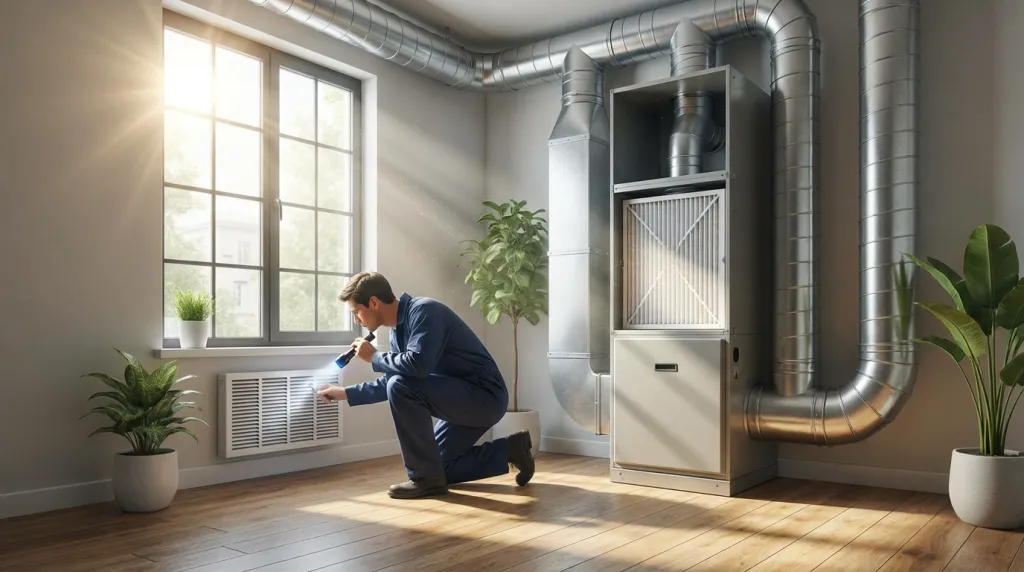
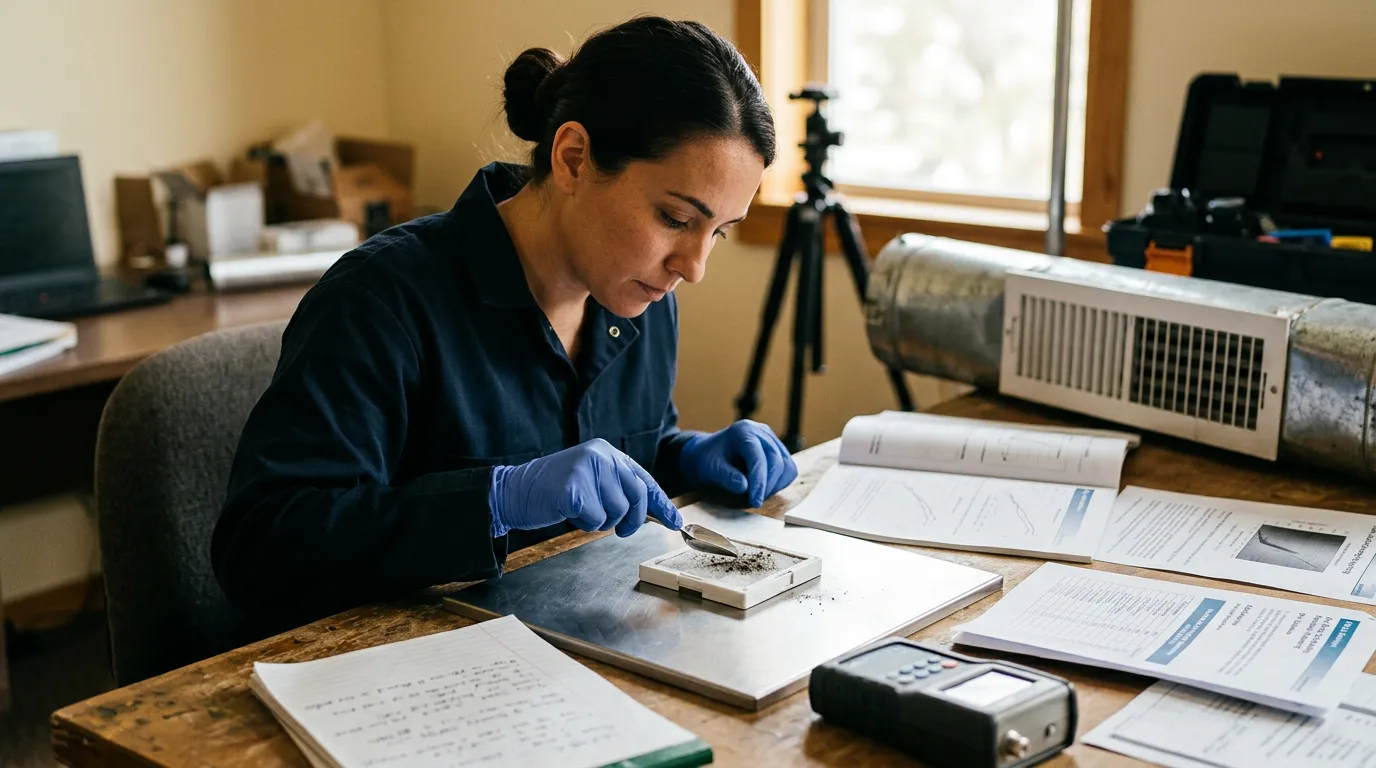
This is exactly why licensing, certification, and transparent inspection processes matter so much in this industry. A legitimate contractor will show you the inside of your ducts, often with a camera, before recommending any service. They’ll explain findings in plain language and won’t manufacture urgency where none exists.
What Credentials Should You Look For?
Verifies: training and equipment protocols
Protects: consumer recourse
Protects: homeowner liability
Prevents: surprise add-ons
What Does a Good Contractor Do Differently?
Most homeowners can’t see inside their own ductwork, which makes the process somewhat of a trust exercise. A reputable company closes that gap with transparency at every step rather than vague assurances.
- Inspection before quoting. A good contractor examines your system, often with video inspection tools, before recommending anything. You can read more about what this looks like in our guide to the air duct cleaning process we follow.
- Clear explanation of findings. You should be shown or told exactly what was found, dust levels, mold, debris, pest evidence, not just handed a recommendation to proceed.
- Honest timelines. Technicians explain roughly how long the job will take based on your system’s size and condition, not a one-size-fits-all estimate.
- No pressure tactics. If your ducts don’t meet the EPA’s conditions for cleaning, a trustworthy company will tell you that directly, even if it means no sale that day.
- Written documentation. Before-and-after photos, a service summary, and a copy of what was used (including whether any chemical treatments were applied) should be standard.
This approach builds long-term trust rather than short-term revenue, and it’s the standard we hold ourselves to on every job, whether it’s a full duct system or dryer vent cleaning, which carries its own distinct safety urgency tied to fire prevention rather than air quality alone.
What Determines the Cost of Air Duct Cleaning?
Pricing for duct cleaning varies widely depending on the size of your home, the number and accessibility of vents, the condition of the ductwork, and whether additional components like the furnace, coil, or dryer vent are included in the scope. Homes with more extensive contamination, tighter crawl spaces, or older ductwork generally require more labor and specialized equipment, which affects the final price.
Rather than quoting a single number that could misrepresent what your specific home needs, we recommend reviewing our detailed air duct cleaning cost breakdown and, if your ductwork is deteriorating, our guide on ductwork replacement costs. Every project is different, and pricing varies based on your specific project, so the most reliable way to know what your home needs is a free, written, no-obligation quote after inspection. You can see our current pricing approach or contact us directly to schedule one.
Key Takeaways
- The EPA does not set a fixed cleaning schedule; it recommends cleaning only when there’s visible mold, vermin, or heavy debris release.
- Most homes fall into a 3 to 5 year general window, with pets, smokers, allergy sufferers, and recent renovations often needing more frequent attention.
- NADCA guidance suggests inspection roughly every 2 years to catch problems the EPA’s conditions would flag.
- A trustworthy contractor inspects first and recommends cleaning based on actual findings, not a sales calendar.
- Visible dust, musty odors, and unexplained allergy symptoms are stronger signals than the number of years since your last cleaning.
- Licensing, NADCA membership, insurance, and written scopes of work are the credentials that separate reliable contractors from opportunistic ones.
- Pricing depends on home size, duct condition, and scope, and should always be confirmed with a written quote after inspection.
People Also Ask
How often you should clean your air ducts?
Most homes benefit from cleaning every 3 to 5 years, but the EPA recommends basing the decision on visible evidence like mold, pest infestation, or dust being released into the home rather than a strict calendar.
Does the EPA require air duct cleaning?
No, the EPA does not require or mandate air duct cleaning for homeowners. It provides guidance on when cleaning is warranted but leaves the decision to individual judgment based on inspection findings.
Is air duct cleaning worth it?
It’s worth it when there is visible contamination, mold, or pest activity in the ductwork, since removing that debris can improve airflow and reduce particles circulating in the home. It’s less valuable as a routine, calendar-based service with no visible issues.
What are signs you need your air ducts cleaned?
Visible dust blowing from vents, musty odors when the system runs, unexplained allergy flare-ups at home, and visible mold or pest debris near registers are the clearest signs it’s time for an inspection.
Frequently Asked Questions
What exactly does the EPA say about air duct cleaning frequency?+
The EPA states there is no evidence that duct cleaning on a routine schedule prevents health problems or significantly improves air quality. It recommends cleaning only when there’s visible mold, vermin infestation, or dust and debris actually being released into the home from the supply registers.
Why doesn’t the EPA give a specific number of years?+
Because duct contamination varies so widely based on home age, pets, smoking, moisture, and local environment, the EPA considers a universal timeline less reliable than a condition-based assessment. That’s why inspection, not the calendar, drives the recommendation.
How do I know if my contractor is following EPA and NADCA standards?+
Ask whether they inspect before quoting, whether they’re NADCA members following the ACR Standard, and whether they can show you documentation of findings. A legitimate contractor will never pressure you into cleaning without evidence of need.
Does having pets change how often I should clean my ducts?+
Yes, pet dander and shedding fur accumulate in ductwork faster than in pet-free homes, which often moves the recommended interval from the 3 to 5 year range down to every 2 to 3 years. An inspection can confirm whether your system shows signs of buildup.
Is dryer vent cleaning on the same schedule as duct cleaning?+
No, dryer vents should generally be checked and cleaned annually due to fire safety risk from lint buildup, which is a much shorter interval than typical duct cleaning recommendations. This is a separate safety concern, not just an air quality one.
Can I just inspect my ducts myself instead of hiring someone?+
You can visually check accessible vents and registers for dust or odor, but most ductwork is hidden behind walls and ceilings, making professional camera inspection the only reliable way to assess mold, pests, or deep debris buildup.
What should be included in a written quote for duct cleaning?+
A proper quote should list the exact scope of work, equipment used, estimated time on site, and whether any additional components like the furnace or dryer vent are included. It should be provided after an inspection, not before one.